
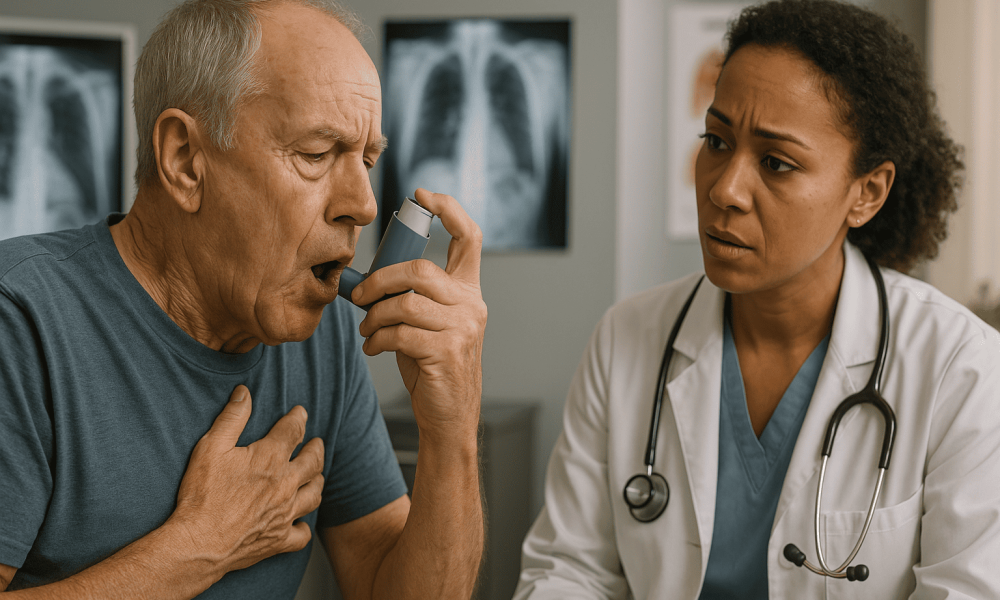
Chronic obstructive pulmonary disease, commonly called COPD, is a long-term lung condition that makes it harder to move air in and out of the lungs. COPD usually develops gradually, so early symptoms may be easy to dismiss as aging, being out of shape, allergies, or a lingering cough. Over time, however, airflow limitation can make daily activities such as walking, climbing stairs, carrying groceries, or sleeping comfortably more difficult.
Quick answer: COPD is a group of lung diseases, most often chronic bronchitis and emphysema, that cause airflow blockage and breathing-related problems. Common COPD symptoms include shortness of breath, frequent coughing, wheezing, chest tightness, excess mucus, and repeated respiratory infections. A healthcare professional usually confirms COPD with breathing tests such as spirometry.
This COPD basics guide explains what COPD is, common symptoms, major causes, how diagnosis works, treatment options, flare-up warning signs, and practical steps that support daily breathing. For a broader overview of lung and airway health, start with our Respiratory Health guide.
What is COPD?
COPD stands for chronic obstructive pulmonary disease. The word “chronic” means it is long-term. “Obstructive” means airflow is limited or blocked. “Pulmonary” refers to the lungs. In practical terms, COPD makes breathing harder because the airways, air sacs, or both have been damaged.
COPD is often used as an umbrella term for two related conditions:
- Chronic bronchitis: long-term airway inflammation with ongoing cough and mucus production.
- Emphysema: damage to the air sacs in the lungs, which can reduce the lungs’ ability to move oxygen into the blood and carbon dioxide out of the body.
Many people with COPD have features of both chronic bronchitis and emphysema. The condition can range from mild to severe, and symptoms may change over time. COPD is treatable, but it requires an individualized plan and ongoing follow-up.
Common COPD symptoms
COPD symptoms often develop slowly. Some people adjust their activity level without realizing that breathing has become more limited. For example, a person may avoid stairs, walk more slowly, or stop doing tasks that used to feel easy.
Common symptoms include:
- Shortness of breath, especially during activity.
- Frequent coughing, with or without mucus.
- Wheezing or a whistling sound when breathing.
- Chest tightness or a feeling that breathing takes extra effort.
- Excess phlegm or mucus, especially in the morning.
- Fatigue because breathing requires more effort.
- Frequent respiratory infections or slow recovery after colds.
If cough is the main symptom, it may help to compare COPD symptoms with other causes of a persistent cough. See our guide on when to seek medical attention for chronic cough.
What causes COPD?
The leading cause of COPD is long-term exposure to lung irritants. Cigarette smoking is the most common risk factor, but COPD can also affect people who never smoked. Risk can increase when the lungs are repeatedly exposed to harmful particles, gases, or fumes.
Major COPD risk factors include:
- Smoking: current or past smoking is the strongest and most common risk factor.
- Secondhand smoke: repeated exposure can irritate and damage the airways.
- Workplace exposures: dust, chemical fumes, vapors, and industrial pollutants may contribute to risk.
- Air pollution: outdoor pollution and indoor smoke from burning fuels may worsen lung health.
- History of asthma or repeated lung infections: these may contribute to long-term airway problems in some people.
- Genetic factors: alpha-1 antitrypsin deficiency is an inherited condition that can increase COPD risk, sometimes at a younger age.
For people who smoke, quitting is one of the most important steps for slowing further lung damage. Read more in our guide to smoking cessation for respiratory health.
COPD vs chronic bronchitis, emphysema, and asthma
People often hear several lung terms used together, which can be confusing. COPD is the broader diagnosis. Chronic bronchitis and emphysema are common conditions within COPD, while asthma is a different airway condition that can sometimes overlap with COPD symptoms.
| Condition | What it means | Common clues |
|---|---|---|
| COPD | A long-term condition with airflow limitation and breathing-related problems. | Shortness of breath, cough, mucus, wheezing, reduced activity tolerance. |
| Chronic bronchitis | Long-term inflammation of the bronchial tubes with ongoing mucus-producing cough. | Daily cough with phlegm, frequent chest infections, airway irritation. |
| Emphysema | Damage to the air sacs that affects gas exchange and lung elasticity. | Breathlessness, reduced stamina, difficulty exhaling fully. |
| Asthma | A condition with airway inflammation and variable narrowing, often with triggers. | Episodes of wheezing, coughing, chest tightness, or shortness of breath that may vary over time. |
For more detail on chronic bronchitis, read our guide to symptoms and causes of chronic bronchitis.
How COPD is diagnosed
A healthcare professional may suspect COPD based on symptoms, smoking history, exposure history, physical examination, and test results. The key test used to confirm airflow limitation is usually spirometry.
Spirometry measures how much air you can breathe out and how quickly you can exhale. It can help show whether airflow is limited and how severe the limitation may be. A clinician may also order additional tests depending on symptoms and medical history.
Tests used in COPD evaluation may include:
- Spirometry: a breathing test used to measure airflow.
- Pulse oximetry: a quick check of blood oxygen saturation.
- Chest imaging: such as a chest X-ray or CT scan when needed.
- Blood tests: sometimes used to check oxygen, carbon dioxide, infection, or alpha-1 antitrypsin deficiency.
- Exercise or walking tests: used in some care plans to assess activity tolerance.
Because COPD symptoms can overlap with asthma, heart disease, infections, anemia, and other conditions, diagnosis should be made by a qualified healthcare professional.
COPD treatment and management options
COPD treatment is individualized. The right plan depends on symptoms, lung function, flare-up history, oxygen levels, other medical conditions, and personal goals. Treatment may not reverse existing lung damage, but it can reduce symptoms, improve activity tolerance, lower flare-up risk, and support better quality of life.
Quitting smoking and avoiding irritants
If you smoke, quitting is the most important step to reduce further lung damage. Avoiding secondhand smoke, dust, chemical fumes, and air pollution can also help reduce irritation and symptom worsening.
Inhaled medicines
Many COPD treatment plans include inhaled medicines. Bronchodilators help relax airway muscles and make breathing easier. Some people may also use inhaled anti-inflammatory medicines depending on their symptoms and flare-up history. Devices must be used correctly, so technique matters. Read more about inhalers and nebulizers.
Pulmonary rehabilitation
Pulmonary rehabilitation combines supervised or guided exercise, breathing techniques, education, pacing strategies, and support. It can help people with COPD build endurance and manage shortness of breath during daily activities. Learn more about pulmonary rehab exercises to improve breathing.
Vaccines and infection prevention
Respiratory infections can trigger COPD flare-ups. A healthcare professional may recommend vaccines such as flu, COVID-19, pneumonia, or RSV vaccines depending on age, risk factors, and current guidance.
Oxygen therapy
Some people with COPD have low oxygen levels and may need oxygen therapy. Oxygen should be used exactly as prescribed. It also requires safety precautions, especially around flames, smoking, and certain heat sources. See our guide to managing oxygen therapy at home.
Flare-up action plan
A COPD flare-up, also called an exacerbation, is a period when symptoms become noticeably worse. A written action plan can help patients know when to adjust medicines as directed, when to call a clinician, and when to seek urgent care.
When to seek medical attention
People with COPD should have regular follow-up, but some symptoms need faster attention. Contact a healthcare professional promptly if you notice worsening shortness of breath, increased mucus, a change in mucus color, fever, more wheezing, new swelling, chest discomfort, or reduced ability to do normal activities.
Seek urgent medical care if breathing becomes severe, lips or fingernails look blue or gray, confusion develops, chest pain is intense or persistent, or symptoms feel sudden and dangerous.
Everyday steps that support better breathing
Daily habits cannot replace medical care, but they can support COPD management. Useful steps may include pacing activities, planning rest breaks, staying active within safe limits, using inhalers correctly, avoiding smoke and fumes, keeping vaccinations up to date, eating enough nutritious food, and learning breathing techniques for shortness of breath.
It can also help to track symptoms. Write down what triggers breathlessness, how often you use rescue medicine if prescribed, changes in mucus, sleep quality, activity limits, and questions for your next appointment.
FAQ about COPD basics
Is COPD the same as chronic bronchitis?
No. COPD is the broader diagnosis. Chronic bronchitis is one common form or feature of COPD. Many people with COPD may also have emphysema or overlapping symptoms.
Can COPD be cured?
COPD usually cannot be cured, but it can be managed. Treatment, quitting smoking, pulmonary rehabilitation, correct inhaler use, and prevention of flare-ups can help many people breathe better and stay more active.
What is usually the first sign of COPD?
Early symptoms may include shortness of breath during activity, frequent coughing, wheezing, or bringing up mucus. Because symptoms can develop slowly, some people do not seek care until breathing limits daily activity.
How do doctors test for COPD?
Spirometry is commonly used to confirm airflow limitation. A healthcare professional may also use history, physical examination, oxygen checks, chest imaging, and other tests depending on the situation.
Can someone get COPD without smoking?
Yes. Smoking is the leading risk factor, but COPD can also be related to secondhand smoke, air pollution, workplace exposures, indoor fuel smoke, repeated lung infections, asthma history, or genetic conditions such as alpha-1 antitrypsin deficiency.
What should someone with COPD avoid?
Common irritants include cigarette smoke, secondhand smoke, dust, chemical fumes, strong odors, and heavy air pollution. Triggers vary, so tracking symptoms can help identify what worsens breathing.
References
- CDC: COPD
- CDC: About COPD
- NHLBI: COPD
- NHLBI: COPD Treatment
- American Lung Association: COPD Symptoms and Diagnosis
- MedlinePlus: COPD
- WHO: Chronic Obstructive Pulmonary Disease (COPD)
Conclusion: understanding COPD is the first step toward better breathing
COPD is a long-term lung condition that can affect breathing, energy, activity, and daily quality of life. The most important first steps are recognizing symptoms, getting an accurate diagnosis, avoiding smoke and lung irritants, following a personalized treatment plan, and knowing when symptoms require urgent attention.
With the right medical support, many people with COPD can reduce symptoms, prevent flare-ups, and stay more active. If you have ongoing shortness of breath, chronic cough, wheezing, or repeated respiratory infections, discuss your symptoms with a healthcare professional.