
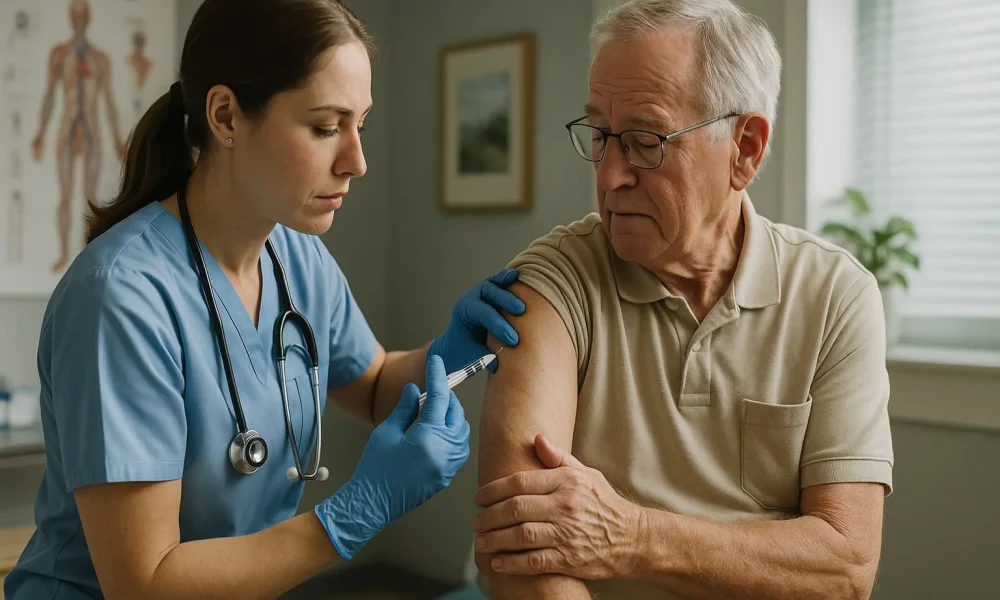
Quick answer: For most current shingles vaccine decisions in the United States, the relevant vaccine is Shingrix. Zostavax was a live shingles vaccine, but it is no longer available for use in the United States. Current CDC guidance recommends two doses of recombinant zoster vaccine, Shingrix, for adults 50 years and older and for adults 19 years and older who are or will be immunocompromised.
This article compares Shingrix vs. Zostavax, explains what changed, reviews effectiveness and side effects, and helps you understand what to ask your healthcare provider before vaccination. It is educational content only and is not a substitute for medical advice.
Shingrix vs. Zostavax: The current bottom line
The most important difference is not simply which vaccine worked better. The main point is availability and current guidance. Zostavax is no longer available for use in the United States as of November 18, 2020. Shingrix is the shingles vaccine discussed in current CDC recommendations.
If you previously received Zostavax, that does not automatically mean you are fully covered under current guidance. CDC and HHS information says people who had Zostavax in the past should still talk with a healthcare professional about getting Shingrix.
| Feature | Shingrix | Zostavax |
|---|---|---|
| Vaccine type | Recombinant zoster vaccine (RZV), non-live | Live zoster vaccine (ZVL) |
| Current U.S. availability | Currently used and recommended in CDC guidance | No longer available for use in the United States |
| Typical dosing | Two-dose series | Previously given as one dose when it was used |
| Main use today | Prevention of shingles and related complications | Historical comparison only in the United States |
| Who should ask about it? | Adults 50+, and adults 19+ with weakened immune systems due to disease or therapy | People who received it in the past may need to ask about Shingrix timing |
What shingles is and why vaccination matters
Shingles, also called herpes zoster, is caused by the varicella-zoster virus, the same virus that causes chickenpox. After a person recovers from chickenpox, the virus can remain inactive in the body and reactivate later in life. When it reactivates, it can cause a painful rash, blisters, itching, burning pain, fever, headache, chills, or stomach upset.
The risk of shingles increases with age. One of the most important complications is postherpetic neuralgia, often shortened to PHN. PHN is long-lasting nerve pain that can continue after the rash clears. For some people, this pain can last for months or even years and may seriously affect daily life.
Vaccination matters because it reduces the risk of shingles and helps protect against postherpetic neuralgia. You can read more background in our vaccine programs guide.
What is Shingrix?
Shingrix is the brand name for recombinant zoster vaccine, also called RZV. It is a non-live vaccine used to help prevent shingles and complications such as postherpetic neuralgia. Because Shingrix is not a live vaccine, it is different from Zostavax and is the vaccine used in current U.S. shingles vaccination guidance.
CDC recommends two doses of Shingrix for immunocompetent adults age 50 years and older. The usual interval is 2 to 6 months between doses. CDC also recommends two doses for adults age 19 years and older who are or will be immunodeficient or immunosuppressed because of disease or therapy. In some immunocompromised adults, the second dose may be given sooner when a shorter schedule is clinically appropriate.
If more than 6 months have passed since the first Shingrix dose, current CDC guidance says the second dose should be given as soon as possible rather than restarting the series.
What was Zostavax?
Zostavax was a live zoster vaccine used in the past to help prevent shingles. It was different from Shingrix because it was a live vaccine and was historically given as a single dose. In the United States, Zostavax is now mainly relevant for historical context and for people who received it years ago and want to know whether they should still ask about Shingrix.
According to HHS and archived CDC information, Zostavax is no longer available for use in the United States as of November 18, 2020. That means a current Shingrix vs. Zostavax decision is not usually a choice between two available U.S. options. It is usually a question of current Shingrix guidance and whether prior Zostavax vaccination changes timing.
Which shingles vaccine is used now?
In current U.S. guidance, Shingrix is the shingles vaccine used to prevent shingles and related complications. Adults 50 years and older should ask a healthcare provider or pharmacist about the two-dose Shingrix series. Adults 19 years and older with weakened immune systems due to disease or therapy should also ask about Shingrix, because their risk of shingles and complications may be higher.
You should also ask about Shingrix if you previously had shingles, previously received Zostavax, or are not sure whether you had chickenpox. These situations do not automatically rule out Shingrix. They mean the timing and personal recommendation should be discussed with a healthcare professional.
For a broader page on who may need this vaccine and when, see our guide on who should get the shingles vaccine and when.
Shingrix effectiveness compared with Zostavax
For searchers comparing Shingrix vs. Zostavax, effectiveness is usually one of the first questions. The practical answer is that Shingrix provides strong protection and is the vaccine used in current recommendations. CDC public information states that shingles vaccination is over 90% effective at preventing shingles and postherpetic neuralgia in adults 50 years and older with healthy immune systems.
CDC also reports strong protection in older adults and meaningful protection in adults with weakened immune systems, although the exact effectiveness can vary by age group and immune condition. This is why people with immune system problems should not rely on general internet information alone. They should ask their healthcare team how the recommendation applies to their diagnosis, medications, and immune status.
Zostavax can still appear in older articles, old medical records, or historical vaccine discussions. However, because it is no longer available in the United States, it should not be presented as an equal current option for U.S. readers.
Side effects: What to expect after Shingrix
Shingrix side effects are common, especially local reactions near the injection site. Many people have a sore arm, redness, or swelling where the shot was given. Systemic reactions can include tiredness, muscle pain, headache, shivering, fever, stomach discomfort, or nausea.
These reactions are usually temporary and often improve within a few days. Some people feel unwell enough to limit normal activities for a short time after vaccination. Even if side effects occur after the first dose, people are generally advised to get the second dose unless a healthcare professional tells them not to.
Serious allergic reactions are rare, but they require emergency attention. Symptoms such as trouble breathing, swelling of the face or throat, hives, fast heartbeat, dizziness, or weakness after vaccination should be treated as urgent.
For general vaccine reaction context, you can also review our article on common side effects after vaccination.
Who should not get Shingrix without medical advice?
Shingrix is recommended for many adults, but there are situations where vaccination should be delayed or discussed carefully with a healthcare professional. You should not get Shingrix if you have had a severe allergic reaction to a previous dose or to a vaccine component. People who currently have shingles should wait and discuss timing with a healthcare professional.
CDC information also says pregnant people should wait to get Shingrix. If you are moderately or severely ill, especially with fever, you may be advised to wait until you recover. If you have a weakened immune system, take immune-suppressing medications, are receiving cancer treatment, or have a complex medical history, ask your healthcare provider about timing and safety.
This article cannot decide whether Shingrix is right for you. It can help you prepare better questions for your doctor, pharmacist, or vaccine provider.
If you already had Zostavax, do you still need Shingrix?
Many readers search for Shingrix vs. Zostavax because they received Zostavax years ago. Current HHS information says that if you had Zostavax in the past, you should still get Shingrix, but you should talk with your healthcare provider to determine the best time.
The timing may depend on your age, health history, immune status, past vaccine records, and whether you have had shingles before. Bring your vaccination record if you have it. If you do not know the exact date of your Zostavax dose, tell your healthcare provider what you remember and ask how to proceed.
Questions to ask your healthcare provider
Before getting a shingles vaccine, consider asking these questions:
- Am I in the age group or risk group that should receive Shingrix?
- Do any of my medical conditions or medications affect the timing?
- If I had Zostavax in the past, when should I get Shingrix?
- What side effects should I expect after each dose?
- Should I schedule the vaccine when I can rest the next day if needed?
- Can I receive Shingrix at the same time as another adult vaccine?
- What should I do if I miss the recommended second-dose window?
FAQ about Shingrix vs. Zostavax
Is Zostavax still available?
Zostavax is no longer available for use in the United States as of November 18, 2020. It may still appear in older articles or medical records, but it is not the current U.S. shingles vaccine option.
Is Shingrix better than Zostavax?
For current U.S. readers, the more useful answer is that Shingrix is the vaccine used in current CDC guidance, while Zostavax is no longer available in the United States. Shingrix provides strong protection against shingles and postherpetic neuralgia.
Do I need Shingrix if I already had shingles?
CDC information says adults can receive Shingrix whether or not they report a prior shingles episode. The vaccine should not be given during an acute shingles episode, so timing should be discussed with a healthcare professional.
Do I need Shingrix if I already had Zostavax?
HHS information says people who previously received Zostavax should still get Shingrix. Ask a healthcare provider when to receive it based on your medical history and vaccine record.
How many doses of Shingrix are needed?
Shingrix is given as a two-dose series. For many adults 50 and older, the doses are separated by 2 to 6 months. Some immunocompromised adults may follow a shorter interval if recommended by their healthcare provider.
What happens if I am late for the second Shingrix dose?
If more than 6 months have passed since the first dose, CDC guidance says to administer the second dose as soon as possible rather than restarting the vaccine series.
Can Shingrix cause side effects?
Yes. Common side effects include injection-site pain, redness, swelling, tiredness, muscle pain, headache, shivering, fever, and stomach symptoms. These effects are usually temporary. Severe allergic reactions are rare but require urgent care.
Key takeaways
- Shingrix is the shingles vaccine used in current U.S. guidance.
- Zostavax is no longer available for use in the United States.
- Adults 50 years and older should ask about the two-dose Shingrix series.
- Adults 19 years and older with weakened immune systems should also ask about Shingrix.
- People who previously received Zostavax may still be advised to get Shingrix.
- Side effects are common but usually temporary.
- Personal timing should be discussed with a healthcare professional.