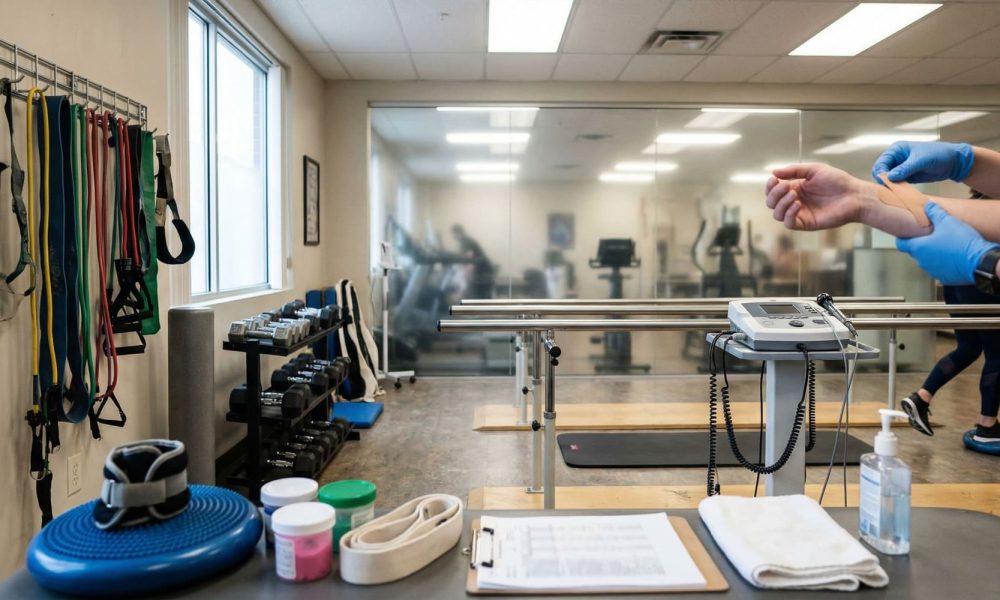
Therapeutic methods span a wide spectrum, from physical rehabilitation and specialized forms of counseling to cutting-edge medical treatments like immunotherapy. This hub serves as a detailed guide to common and advanced interventions designed to restore function, manage chronic illness, and support mental health.
Whether you need to understand the role of Physical Therapy in Post-Surgical Recovery, the mechanisms behind Basics of Chemotherapy: How Drugs Target Cancer Cells, or the differences between Hemodialysis vs. Peritoneal Dialysis: Pros and Cons, our resources provide clarity on your treatment journey.
—
1. Motion Restored: The Power of Physical Therapy and Rehabilitation
Physical therapy (PT) is essential for recovery and managing chronic conditions. We detail its primary role in Role of Physical Therapy in Post-Surgical Recovery. PT addresses mechanical issues using targeted Exercises for Joint Mobility: Knees, Shoulders, and Hips, and non-drug approaches for Managing Chronic Pain with Physical Therapy Techniques.
Specialized Techniques and Prevention
We review the use of technological aids in Equipment: Ultrasound, TENS, and Resistance Bands. Specialized fields include Neurological Rehab: Stroke, Spinal Cord Injury, and MS and functional recovery through Gait Training: Balance and Coordination Exercises. Long-term success relies on Preventing Re-Injury: Proper Form and Home Exercise Routines.
- Specialized Pediatric Physical Therapy: Cerebral Palsy and Beyond: Addressing children’s unique needs.
—
2. Targeted Fight: Chemotherapy and Multimodal Cancer Care
Chemotherapy remains a core treatment for many cancers. We explain the process in Basics of Chemotherapy: How Drugs Target Cancer Cells and the different clinical goals in Types of Chemo: Adjuvant, Neoadjuvant, Palliative. A critical component of care is Side Effects Management: Nausea, Hair Loss, Fatigue.
Safety, Integration, and Innovation
We provide vital safety guidance regarding Blood Counts: Neutropenia, Anemia, and Infections. Treatment efficacy is often maximized by Combining Chemo with Radiation or Surgery: Multimodal Treatments. We compare delivery methods in Chemo at Home vs. In-Clinic: Pros and Cons. New frontiers are explored in New Frontiers: Targeted Therapy and Immunotherapy Advances.
- Emotional Support and Counseling During Chemotherapy: Addressing mental and emotional toll.
—
3. Focused Beam: Precision and Planning in Radiation Therapy
Radiation therapy uses high-energy rays to damage cancer cells. We compare delivery methods in External Beam vs. Brachytherapy: Understanding Different Approaches. Precision is ensured through Simulation and Treatment Planning: CT Scans, MRI, and Masks. We review the latest technology in Advanced Techniques: IMRT, Proton Therapy, Stereotactic Radiosurgery.
Side Effect Management and Monitoring
Patients need to prepare for Common Side Effects: Skin Irritation, Fatigue, and Organ Risks and learn specific coping strategies in Managing Radiotherapy-Induced Nausea and Mouth Sores. Treatment goals are not always curative, covered in Radiation for Palliative Care: Symptom Relief in Advanced Cancer. Long-term surveillance is discussed in Follow-Up: Monitoring for Recurrence and Long-Term Effects.
- How to Protect Healthy Tissue: Conformal Methods and Shielding: Ensuring targeted treatment.
—
4. Life Support Filters: Understanding Dialysis and Kidney Care
Dialysis is a life-sustaining treatment for kidney failure. We explain the functional deficit in When Kidneys Fail: Understanding Renal Function and Dialysis Need. We compare the two main modalities in Hemodialysis vs. Peritoneal Dialysis: Pros and Cons and detail the necessary preparation in Dialysis Access: Fistula, Graft, or Catheter.
Patient Life and Options
Daily life requires significant adjustment, detailed in Lifestyle Adjustments for Dialysis Patients: Diet, Fluid Restriction. We address common issues in Managing Side Effects: Hypotension, Cramps, and Fatigue. Home treatment is covered in At-Home Dialysis: Equipment Setup and Safety Measures. Alternative definitive treatment is discussed in Transplant Considerations for Dialysis Patients.
- Psychological Impact: Coping with Chronic Kidney Disease: Mental health support.
—
5. The Talking Cure: Psychotherapy and Effective Counseling
Psychotherapy addresses emotional and mental health challenges through dialogue. We compare the major schools of thought in Comparing Therapy Approaches: CBT, DBT, Psychoanalysis, etc.. The critical first step is Finding the Right Therapist: Credentials, Specialties, and Fit.
Modalities, Ethics, and Progress
We review accessibility options in Online Therapy: Pros, Cons, and Popular Platforms and specialized applications in Family and Couples Therapy: Resolving Conflicts and Improving Communication and Dealing with Trauma: EMDR and Other Specialized Methods. The professional framework is covered in Confidentiality and Ethics in Mental Health Treatment. We emphasize active participation in Therapy Homework: Journaling, Worksheets, and Self-Reflection.
- Measuring Progress: Goal Setting and Outcome Tracking: Defining success in therapy.
—
6. Reclaiming Independence: Occupational Therapy and Adaptive Tools
Occupational Therapy (OT) focuses on helping individuals perform daily activities (occupations). We define the scope in What Is Occupational Therapy? Core Principles and Goals. A core function is the use of Adaptive Equipment: Grab Bars, Reachers, and Dressing Aids.
Specialized OT and Ergonomics
We cover specific applications, including Occupational Therapy for Stroke Survivors: Fine Motor Skills and Pediatric OT: Sensory Integration and Developmental Delays. Specialized areas include Hand Therapy: Strengthening Grip and Range of Motion and Cognitive Rehabilitation: Memory and Executive Function Strategies. We also address preventative health through Workplace Ergonomics: Preventing Repetitive Strain Injuries.
- Home Modifications for Disability-Friendly Living: Creating accessible environments.
—
7. The Voice Connection: Speech Therapy and Communication Health
Speech-Language Pathology (SLP) addresses communication and swallowing disorders. We outline the scope in Overview of Speech-Language Pathology: Who Needs It? and common post-injury intervention in Aphasia Treatment After Stroke or Brain Injury.
Disorders, Technology, and Development
We review specific communication challenges, such as Stuttering and Fluency Therapy Techniques and Voice Disorders: Vocal Cord Nodules and Strain Management. Early intervention is covered in Pediatric Speech Delays: Early Intervention Approaches. We also detail the use of specialized aids in Augmentative and Alternative Communication (AAC) Tools. Crucially, we cover Swallowing Disorders: Dysphagia and Safe Eating Strategies.
- Building Communication Confidence: Exercises and Support: Enhancing social and emotional skills.
—
8. Harnessing the Defenses: Immunotherapy and Autoimmune Biologics
Immunotherapy represents a paradigm shift, using the immune system to fight disease. We explain the core mechanism in How Immunotherapy Works in Fighting Cancer Cells and detail key drug classes in Checkpoint Inhibitors: PD-1, PD-L1, CTLA-4 Explained. The revolutionary CAR T-Cell Therapy: Engineering the Immune System is also covered.
Risks, Autoimmunity, and the Future
Managing powerful side effects is essential, detailed in Side Effects: Autoimmune Reactions, Cytokine Release Syndrome. The same principles are applied to chronic conditions using Biologics for Autoimmune Diseases (Rheumatoid Arthritis, Psoriasis). We address patient safety in Vaccination Strategies in Immunocompromised Patients. Research trends are covered in Future of Immunotherapy: Personalized Medicine and Research Trends.
- Complementary Approaches: Diet and Lifestyle with Immunotherapy: Supporting treatment holistically.