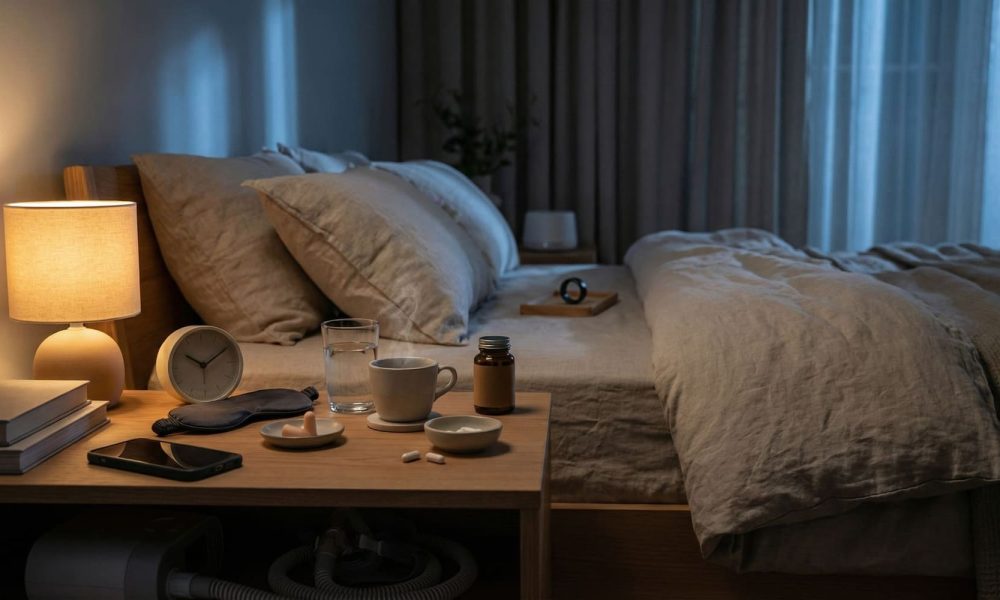
High-quality sleep is not a luxury; it’s a non-negotiable pillar of health that impacts memory, mood, immunity, and chronic disease risk. This essential hub offers deep dives into common sleep disruptions, from managing Common Causes of Insomnia and How to Address Them to navigating serious conditions like Obstructive Sleep Apnea: Causes, Symptoms, and Diagnosis.
Explore our resources to master your Key Elements of Good Sleep Hygiene: Room Temperature, Lighting, and Noise, understand the rhythm of your Circadian Rhythms: How Light and Darkness Affect Sleep-Wake Cycles, and learn about the effective use of supplements like How Melatonin Regulates the Sleep-Wake Cycle.
—
1. Silence the Mind: Advanced Strategies for Insomnia Relief
Insomnia is a persistent problem requiring structured solutions. We start by identifying the root causes in Common Causes of Insomnia and How to Address Them. For chronic issues, the highly effective approach of Cognitive Behavioral Therapy for Insomnia (CBT-I) is detailed. For occasional help, we review Over-the-Counter Sleep Aids: Melatonin, Antihistamines, etc.
Medication, Routine, and Natural Help
Prescription options are discussed in Prescription Medications: Benefits, Side Effects, and Precautions. Non-pharmacological preparation is key, outlined in Bedtime Routines: Setting the Stage for Better Sleep and managing distress with Dealing with Nighttime Anxiety: Relaxation Techniques. We also cover dietary impacts in Foods and Drinks That May Interfere with Sleep Quality and gentler alternatives in Natural Sleep Remedies: Herbal Teas, Aromatherapy, and More.
—
2. The Perfect Sanctuary: Designing Your Sleep Hygiene Routine
Sleep hygiene refers to habits and environmental factors that promote consistent, uninterrupted sleep. Our core guide covers Key Elements of Good Sleep Hygiene: Room Temperature, Lighting, and Noise and selecting the right gear in Ideal Sleep Environment: Mattress, Pillows, and Bedding. Consistency is paramount, emphasized in Consistency Is King: Going to Bed and Waking Up at the Same Time.
Timing, Light, and Lifestyle
We address modern challenges like Screen Time Before Bed: Reducing Blue Light Exposure. The interplay between exercise and rest is covered in Exercise and Sleep: Best Time of Day to Work Out, along with guidelines for stimulants in Caffeine Curfews: How Late Is Too Late? We also provide rules for supplementary rest in Napping Dos and Don’ts: Short vs. Long Naps.
- Sleep Tracking Apps: Benefits, Limitations, and Accuracy: Using data responsibly.
—
3. Breathe Easy: Understanding Apnea and Sleep Breathing Issues
Sleep-related breathing disorders can severely impact health. We focus on the most common condition in Obstructive Sleep Apnea: Causes, Symptoms, and Diagnosis, and the primary treatment method in CPAP Machines: How They Work and Proper Maintenance. We also look at the systemic influence of Weight Management and Its Impact on Sleep Apnea.
Treatment, Lifestyle, and Complications
Non-CPAP treatments include Positional Therapy: Sleeping Positions to Reduce Apnea Episodes and Oral Appliances for Mild to Moderate Sleep Apnea. Lifestyle changes, such as modifying Lifestyle Changes: Smoking, Alcohol, and Apnea Severity, are critical. We also cover the less common Central Sleep Apnea: Understanding Neurological Factors and the severe dangers of Long-Term Complications of Untreated Apnea.
—
4. The Internal Clock: Calibrating Regular Sleep Patterns
Your sleep quality is controlled by your **circadian rhythm**, the body’s internal clock. We explain this system in Circadian Rhythms: How Light and Darkness Affect Sleep-Wake Cycles. Maintaining a rhythm is crucial when facing disruptions like Jet Lag Recovery: Strategies for Quick Adjustment or the common problem of Social Jet Lag: Weekend Sleep Schedules vs. Workdays.
Disruption Management and Rituals
We offer specialized advice for Shift Work Sleep Disorder: Coping with Irregular Hours and adapting to environmental changes in Seasonal Changes: Adjusting Sleep in Different Climates. Simple consistency can be achieved by Creating a Bedtime Ritual to Cue Your Brain for Sleep. We also offer tips for mitigating minor changes like Daylight Saving Time: Minimizing Its Impact on Your Sleep.
- Tracking and Optimizing Your Sleep-Wake Routine: Tools for self-monitoring.
—
5. Against the Clock: Sleep Strategies for Shift Work
Shift work presents unique challenges to the circadian system, explored in Understanding Circadian Disruption in Shift Work. Strategic scheduling can help, detailed in Smart Scheduling: Rotating vs. Fixed Shifts. Daytime rest requires careful preparation, covered in Creating a Dark and Quiet Environment During Daytime Sleep.
Health, Safety, and Lifestyle
We provide essential advice on energy and wellness in Nutrition Tips for Night Shift Workers and practical techniques for rest in Napping Strategies Between Shifts for Better Recovery. Safety is critical, addressed in Safe Commute Post-Shift: Avoiding Microsleeps on the Road. We also look at the social side in Managing Family and Social Life While Working Odd Hours.
- Long-Term Health Risks of Shift Work and How to Mitigate Them: Addressing chronic effects.
—
6. Quick Recharge: Mastering Power Napping Techniques
Napping, when done correctly, can be a powerful tool. We cover the core benefits in Benefits of Short Naps: Boosting Energy and Alertness and define the sweet spot in Ideal Nap Duration: 20 vs. 90 Minutes. We explore techniques that combine stimulants and sleep in Coffee Naps: How Caffeine and Sleep Can Work Together.
Timing, Environment, and Efficiency
We provide guidelines on When Naps Backfire: Recognizing Nap-Related Sleep Disruption and strategies for workplace rest in Napping at Work: Office-Friendly Strategies. Creating the optimal environment is covered in Creating a Nap Spot: Minimizing Noise and Light. We also discuss how needs change across the lifespan in Children vs. Adults: How Napping Needs Differ by Age.
- Maintaining Productivity After a Midday Nap: Tips for a smooth transition back to work.
—
7. Decoding the Night: Insights from Sleep Tracking Devices
Technology offers a window into our sleep patterns. We review common tools in Wearable Trackers: Accuracy, Features, and Limitations and Smartphone Apps for Sleep Monitoring: Pros and Cons. We explain the core metrics in Understanding Sleep Stages: REM, Deep, and Light Sleep and review advanced tech in Smart Mattresses and Pillows: Do They Really Improve Sleep?
Data Interpretation and Usage
We help users interpret results without stress in Data Overload: Interpreting Sleep Metrics Without Anxiety. We also advise on integrating different types of metrics in Combining Sleep Data with Fitness Metrics for Holistic Health and address common errors in Common Mistakes in Using Sleep Trackers.
- When to Consult a Professional Despite Tracking Data: Recognizing when data suggests clinical help.
—
8. The Chemical Cues: Melatonin and Natural Sleep Supplements
Melatonin is a key hormone in regulating the sleep-wake cycle. We explain its function in How Melatonin Regulates the Sleep-Wake Cycle and provide guidelines on safe usage in Proper Dosage and Timing for Melatonin Supplementation. We also review other popular choices in Other Sleep Supplements: Valerian Root, Magnesium, Lavender.
Usage, Safety, and Natural Boosts
Safety is a priority, covered in Safety Profile: Who Should Avoid or Limit Melatonin? We also warn of potential issues in Interactions with Medications: Checking for Contraindications. Specialized advice is given for travel in Jet Lag and Melatonin: Best Practices for Travel. We also suggest Natural Ways to Boost Melatonin Production (Light Exposure, Diet).
- Long-Term Use of Sleep Supplements: What You Need to Know: Addressing sustainability and dependency.