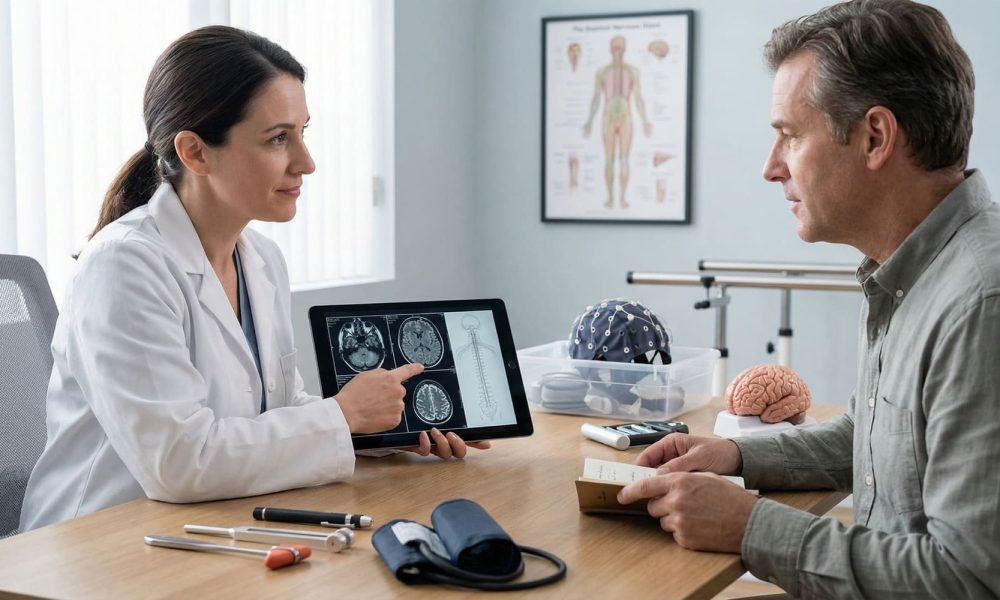
The neurological system governs every function of the body, making its health critical to quality of life. This comprehensive guide covers a spectrum of conditions, from common issues like chronic Migraine Types: Aura vs. No Aura to complex neurodegenerative diseases like Warning Signs of Alzheimer’s Disease.
Our resources provide essential information on early detection, advanced treatments, and daily management strategies for chronic conditions such as Epilepsy, Parkinson’s, and Multiple Sclerosis. Use the organized sections below to explore our detailed articles on brain and nerve wellness.
—
1. Migraines and Headache Management
Managing chronic headaches starts with identification. Learn about the different patterns and causes in Migraine Types: Aura vs. No Aura. A crucial step for prevention is identifying key Triggers: Diet, Stress, Hormones, and Sleep that can precipitate attacks. We also cover the difference between common types in Identifying Cluster Headaches vs. Migraines.
Treatment, Prevention, and Alternative Care
Treatment protocols vary from easily accessible Over-the-Counter Pain Relief Options to more targeted drugs discussed in Prescription Medications: Triptans and Beta-Blockers. For long-term control, we provide extensive guidance on Lifestyle Adjustments to Minimize Migraines and managing severe symptoms in Chronic Migraine Management and Preventive Therapy.
- Alternative Treatments: Acupuncture and Supplements: Exploring non-pharmacological support.
—
2. Epilepsy and Seizure Control
Epilepsy is characterized by recurrent seizures. Gaining control requires understanding the various manifestations, detailed in Epilepsy Basics: Types of Seizures, and the proper use of Medication Overview: Anti-Epileptic Drugs. We also provide essential knowledge on identifying Seizure Triggers and Warning Signs.
Therapies, Safety, and Daily Living
Beyond medication, specialized interventions such as the Ketogenic Diet for Seizure Reduction and Vagus Nerve Stimulation Therapy are available. Safety is paramount, covered in our guide to First Aid for Seizures: Step-by-Step Guide and understanding Living with Epilepsy: Safety Measures and Driving Laws.
- Emerging Therapies and Clinical Trials: Review of the latest research in epilepsy treatment.
—
3. Parkinson’s Disease: Symptoms and Therapy
Parkinson’s is a progressive neurological disorder affecting movement. Early identification is key, starting with Early Symptoms: Tremors, Stiffness, and Slow Movement. Primary drug therapy is detailed in Medications: Levodopa and Dopamine Agonists. Non-drug approaches are just as vital, including structured Exercise Programs for Parkinson’s Patients.
Management and Quality of Life
We explore advanced surgical interventions such as Deep Brain Stimulation: How It Works and the critical task of Managing Non-Motor Symptoms: Depression, Sleep Issues. Support resources are available in Physical and Occupational Therapy Approaches and advice on Dietary Tips to Support Neurological Function.
- Parkinson’s Support Groups and Caregiving: Community and assistance resources.
—
4. Alzheimer’s Disease and Dementia Care
Alzheimer’s is the most common cause of dementia. Early detection starts by recognizing the Warning Signs of Alzheimer’s Disease. Diagnosis is a multi-step process, detailed in Diagnostic Tests: Memory Screening and Brain Scans. We examine pharmacological support in Medications for Cognitive Decline: Cholinesterase Inhibitors.
Daily Care and Long-Term Planning
Effective daily living relies on establishing Daily Routines and Memory Aids for Dementia. Comprehensive resources are available for Caring for a Loved One with Alzheimer’s: Tips and Strategies, covering essential topics like Safety Measures: Wandering and Home Adjustments. We also cover future needs in Long-Term Planning: Legal and Financial Considerations.
- Cognitive Exercises and Brain Training: Activities to maintain mental sharpness.
—
5. Stroke: Recognition, Treatment, and Recovery
A stroke is a medical emergency where fast action can save function and life. Start by understanding the differences between Stroke Types: Ischemic vs. Hemorrhagic and learning the acronym FAST: Recognizing Stroke Symptoms Quickly. We detail life-saving protocols in Emergency Treatments: Clot-Busting Drugs and Procedures.
Rehabilitation and Long-Term Prevention
Recovery is a dedicated process involving structured Rehab Programs: Physical, Speech, and Occupational Therapy. Preventing a second event is paramount, covered in Preventing Recurrence: Lifestyle Changes and Medications. Emotional recovery is also addressed in Emotional and Psychological Effects After Stroke, alongside practical advice for At-Home Exercises to Improve Mobility.
- Nutrition for Brain Health and Recovery: Optimizing diet post-stroke.
—
6. Multiple Sclerosis (MS) Support and Therapy
MS is a chronic condition where the immune system attacks the central nervous system. We clarify the disease progression in Overview of MS: Relapsing-Remitting vs. Progressive and cover common daily challenges in Common Symptoms: Fatigue, Numbness, and Mobility. Modern treatment focuses on slowing progression with Disease-Modifying Therapies for MS.
Symptom Management and Quality of Life
Physical therapy plays a large role, detailed in Physical Therapy and Exercise for MS Patients. We provide strategies for Managing MS Pain and Spasticity and dealing with Cognitive Changes and Memory Tools. Accessibility aids are covered in Assistive Devices for Daily Living.
- Emotional Support and Counseling Resources: Addressing the psychological impact of MS.
—
7. Peripheral Neuropathy Pain Management
Peripheral neuropathy results from damage to nerves outside the brain and spinal cord. We investigate common Causes: Diabetes, Injury, and Autoimmune Disorders and help readers recognize early signs in Recognizing Symptoms: Numbness, Tingling, and Weakness. Diagnosis involves specialized tests detailed in Diagnosing Neuropathy: EMG and Nerve Conduction Studies.
Treatment, Lifestyle, and Chronic Care
Relief often comes through targeted Medications: Neuropathic Pain Relievers and important safety protocols like Lifestyle Adjustments: Foot Care and Injury Prevention. We also review non-traditional methods in Alternative Therapies: Acupuncture and TENS and essential information on Nutrition and Supplements for Nerve Health.
- Living with Chronic Neuropathic Pain: Strategies for improving quality of life.
—
8. Memory and Cognitive Health Optimization
Maintaining strong cognitive function is essential at every age. Our guides focus on proactive steps, including structured Brain Training Exercises for Everyday Life and utilizing Stress Management Techniques for Better Cognitive Function. Sleep plays a foundational role, detailed in Sleep and Its Role in Memory Consolidation.
Nutrition, Prevention, and Early Detection
Diet directly impacts the brain; we cover beneficial Dietary Choices That Boost Cognition and relevant Supplements: Omega-3, B Vitamins, and Antioxidants. Prevention strategies include Preventing Cognitive Decline with Social Engagement and learning about Early Detection of Mild Cognitive Impairment.
- Tech Tools and Apps for Memory Support: Modern aids for cognitive assistance.